
Facts About Curved Steel
AWARD-WINNING PROJECTS
STAND OUT FROM THE REST!
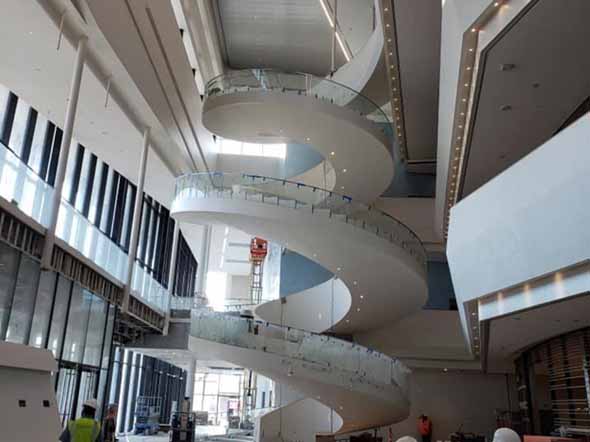
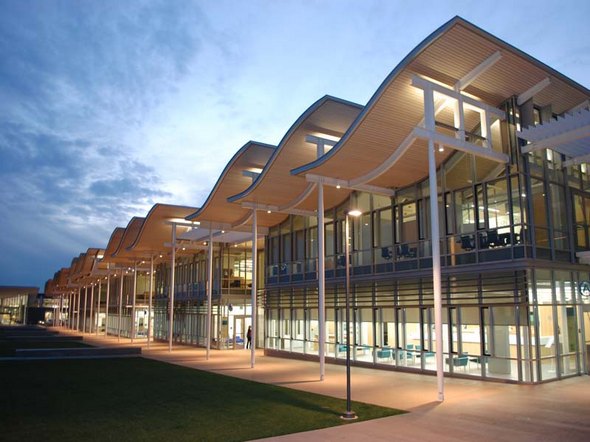
Buddy Holly Hall of Performing Arts & Sciences- Lubbock, TX.2022 IDEAS2 National Award Winner ($75M-$200M) for Innovative Design in Engineering & Architecture with Structural Steel |
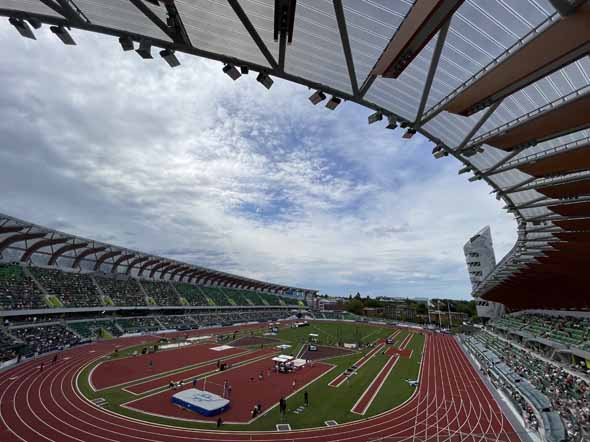
Hayward Field and Tower-Eugene, OR.2022 Architizer A+ Award in the Stadium and Arena Category 2021 @archpaper AN Best of Design Award in the Sports & Stadiums category |
Barbara Walker Crossing-Portland, OR.Two-time CODA Award Winner for worlds best in public art. People’s Choice Award as voted on by the public, as well as an award in the transportation category. Photo Credit: Ed Carpenter. |
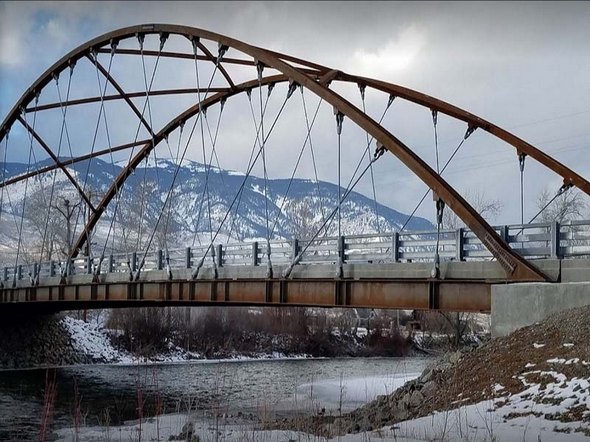
Williams Creek Shoup Bridge-Salem, ID.The National Steel Bridge Alliance has awarded the Williams Creek Shoup Bridge in Salem, Idaho a Merit Award in the Medium Span bridges category. Photo Credit: Linda Ulery. |
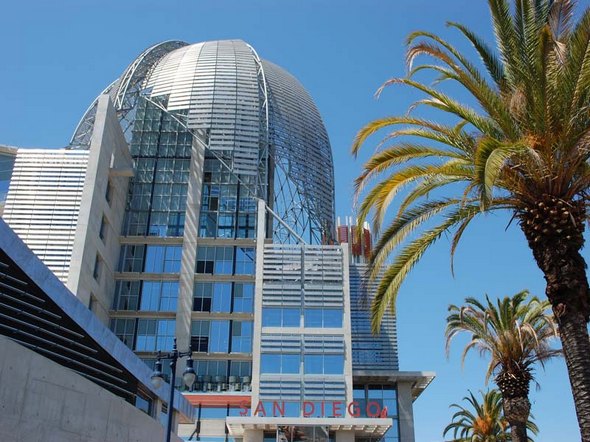
The Spheres-Seattle, WA.2019 NCSEA Excellence in Structural Engineering Award & Outstanding Project Award Winner & 2019 IDEAS2 Presidential Award Winner for Excellence in Fabrication | San Diego Public Library-San Diego, CA.2014 IDEAS2 National Award Winner for Innovative Design in Engineering & Architecture with Structural Steel |
Newport Beach Civic Center-Newport Beach CA.2014 IDEAS2 National Award Winner for Innovative Design in Eng. & Arch. with Structural Steel |
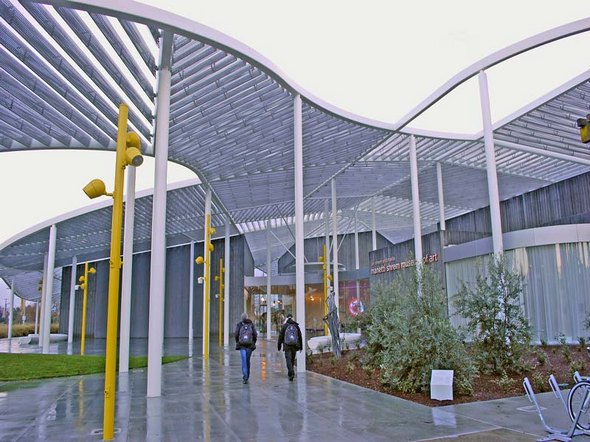
Jan Shrem and Maria Manetti Shrem Museum of Art at UC Davis CA.2018 IDEAS2 Merit Award Winner |
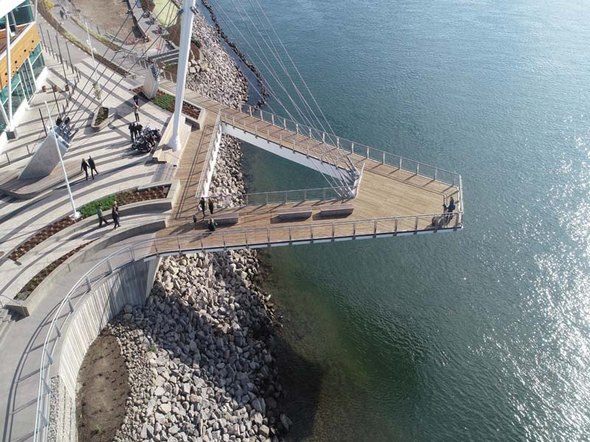
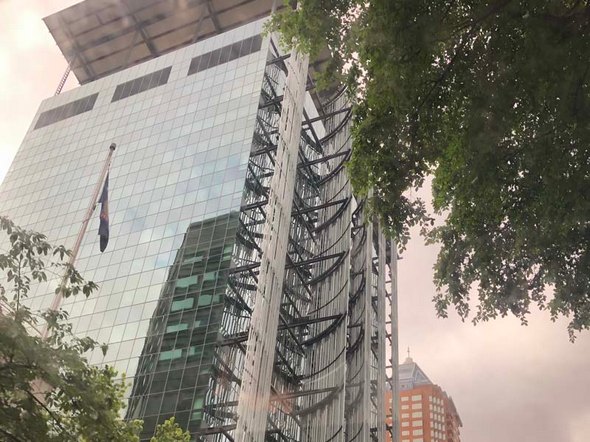
Vancouver Waterfront Handrails- Vancouver, WA.O & M Fabricator Magazine's 2019 Ernest Wiemann Top Job Winner | Edith Green/Wendell Wyatt Federal Building- Portland, OR.AIA and COTE 2014 Top 10 Examples of Sustainable Architecture and Ecological Designs |
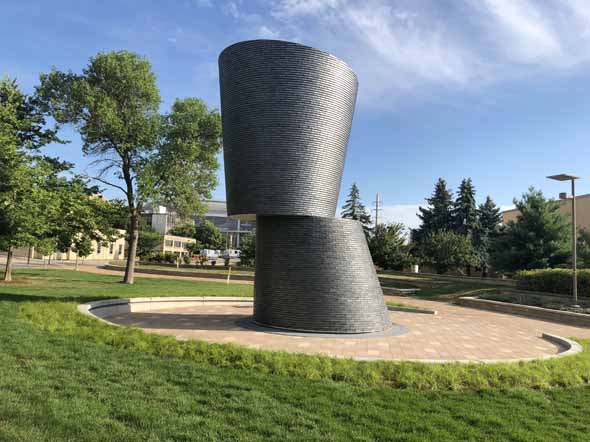
"A Monumental Journey" by Kerry James Marshall- Des Moines, Iowa2021 IDEAS2 Merit Award Winner for Sculpture/Art Installation Photo: MJ Rowe | |


Curved steel is the better choice for architects, designers, and engineers! What Every Building Professional Wants:
R.O.L.L.-I.T.R: Recycled Material & Reduced SchedulesSteel is the most recycled material on the planet. 90% recycled content. More steel is recycled than aluminum, paper, glass and plastic combined. Steel is fast to fabricate and erect resulting in reduced schedules and earlier revenue generation. Steel is easy to install and maintain resulting in an improved bottom line. O: On-hand & Odd ShapesHuge national inventory of steel means short lead times and lower exposure to risk. Rolled steel allows for more flexibility in construction and the ability to create odd shapes. Steel weighs half the amount of concrete resulting in a lighter building and less cost. L: Look & LaurelsRolled steel is more aesthetically appealing and attractive than "built-up" or "welded" sections. Rolled steel is not a "common" product. Projects that contain rolled steel are different, eye catching and artistic. National and merit honors awarded to projects with Architecturally Exposed Structural Steel Members:
L: Less Labor Intensive & Lower Design CostsIt takes a great deal of manpower to erect forms, place rebar, place concrete strip forms, re-shore, 50% shoring, 25% shoring, etc. Rolled steel can be put into place with a crane and a few erectors. All this field labor increases the likelihood of errors and accidents. It is more expensive to design a building in concrete. IT: Information Technology & Information Sharing:BIM (Building Information Modeling) provided legal issues have been resolved for sharing drawings, specifying commercial jobs, etc. and technology tools are changing the way buildings are designed and built. We use modeling for analysis and for creating geometries never before available. Involvement of Albina during the early part of project design saves all parties involved time and money. We have access to many resources including Regional Engineers and various industry associations across the country. ______________________________________________________________________________ 10 Things Everyone Should Know About Curved Steel
______________________________________________________________________________ AESS Requirements
| |